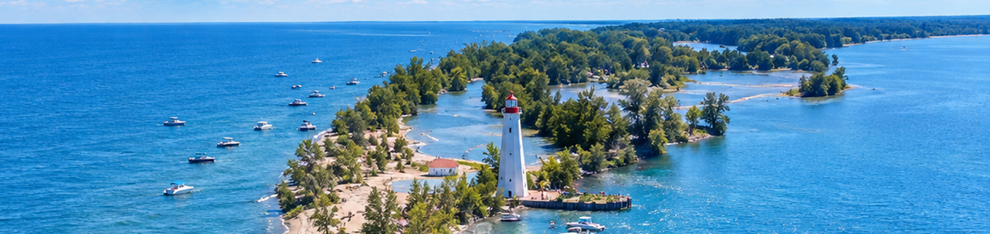
Attraction All Fish - Lake Erie

Lake Erie has long been a premier destination for anglers seeking both recreational sport and table-quality catches. This freshwater gem of the Great Lakes supports an incredible diversity of fish species, ranging from the prized trophy game fish to essential forage species that form the foundation of the entire ecosystem. From the legendary muskellunge to the humble emerald shiner, each species plays a vital role in the lake’s complex food web and offers unique challenges and rewards for fishermen of all skill levels. This guide provides comprehensive profiles of Lake Erie’s most significant fish species, covering popular game fish, panfish, deep-water predators, ancient bottom dwellers, baitfish, and notable invasive species. Whether you’re a seasoned pro targeting trophy bass or a beginner enjoying your first crappie, understanding these fish’s behavior, habitat preferences, and seasonal patterns is essential for successful fishing throughout the lake’s varied waters.
Popular Game Fish
Walleye: Lake Erie’s premier sport fish, the walleye stands out as a golden-olive colored predator beloved by anglers worldwide. Famous for its exceptionally flaky white meat that melts in the mouth, this species possesses light-sensitive eyes adapted for low-light conditions, making it highly active during dawn and dusk hours. The walleye has become the most sought-after trophy fish in the Great Lakes, offering a challenging fight that rewards patient anglers with a delicious, nutrient-rich catch perfect for pan-frying or smoking.
Yellow Perch: A smaller, striped schooling fish prized by anglers for its sweet taste and year-round availability. These golden-hued fish with distinctive vertical striping can be caught in massive schools throughout the season, making them popular with both casual and competitive anglers. Their mild, buttery flesh is excellent for frying, and they’re particularly abundant in shallow bays and rocky areas, often caught on live bait or small jigs.
Smallmouth Bass: A bronze-colored, hard-fighting bass found around rocky reefs, shoals, and drop-offs. This aggressive predator is known for its powerful runs and distinctive vertical stripes that fade with age. Smallmouth bass prefer cooler, clear waters with rocky substrates and provide an exciting fight that tests even experienced anglers. They’re particularly active during spawning season in late spring, when they congregate in shallow, rocky areas.
Largemouth Bass: A heavier, greenish bass that prefers calmer, weedy bays and harbors like Long Point Bay. This popular game fish is easily recognized by its wide mouth and olive-green coloration with dark horizontal stripes. Largemouth bass thrive in warm, vegetated waters and are ambush predators that strike at anything that enters their territory. They offer exciting fights and are the most common bass species caught in freshwater lakes throughout North America.
Rainbow Trout (Steelhead): A migratory, silver-sided trout that spends summers in deep, cool water and runs up tributaries in fall and spring. Known for their striking pink lateral line and vibrant
coloration, rainbow trout provide an exciting sport fish experience. The steelhead form, specifically, is a larger, anadromous variant that migrates to the ocean before returning to freshwater to spawn. These fish are highly prized for their fight and delicious flesh, making them a favorite among fly fishermen and sport anglers alike.
Northern Pike: A long, ambush predator with duck-bill jaws and sharp teeth that lurks in shallow weed beds. Recognized by their distinctive spotted pattern and elongated body, pike are formidable hunters that can grow quite large. They’re opportunistic predators that will eat almost anything, including other fish, birds, and small mammals. Pike offer exciting, unpredictable fights and are known for their ability to jump when hooked, making them a thrilling catch for anglers seeking a challenge.
Muskellunge (Musky): The largest member of the pike family in the lake, known as the “fish of 10,000 casts” due to its elusive nature. These massive predators can grow to enormous sizes, often exceeding 40 inches and weighing over 50 pounds. Muskies are incredibly selective feeders, primarily targeting baitfish and smaller fish, which makes them notoriously difficult to catch. Their powerful runs and distinctive flat head make them the ultimate trophy fish for serious anglers.
Channel Catfish: A sleek, fork-tailed bottom feeder with long whiskers that grows quite large in Erie’s warmer waters. These formidable bottom feeders are easily identified by their prominent barbel or whiskers and elongated bodies. Channel catfish can grow to impressive sizes and offer a strong, thrashing fight when hooked. Their mild, sweet flavor makes them highly prized by anglers, while their adaptability to various water conditions makes them successful in multiple fishing scenarios throughout the summer months.
Panfish & Sunfish
Black & White Crappie: Flat-bodied, speckled panfish that gather around submerged brush, docks, and quiet bays. These delicate, silver fish are known for their speckled pattern and preference for brush piles and underwater structures. Crappie are prized for their mild, sweet flavor that’s perfect for frying or making fish cakes. They school in large numbers during spawning season, making them an exciting target for anglers using small jigs and live bait in shallow, weedy areas.
Bluegill: A round, colorful sunfish with a dark ear flap, very common near shorelines and marshes. Bluegill are easily recognized by their brilliant colors and distinctive dark blue ear flap. These panfish are abundant throughout Lake Erie and offer year-round fishing opportunities. Their compact bodies and active nature make them excellent targets for anglers using small lures, worms, or artificial baits. Bluegill are particularly active in shallow waters and provide a fun, accessible fishing experience for anglers of all skill levels.
Pumpkinseed: Similar to bluegill, easily recognized by its bright orange-spotted sides and a red spot on its gill cover. These vibrant sunfish display striking coloration that changes with water depth and lighting conditions. Pumpkinseed are often found in shallow, vegetated waters and offer an exciting fight despite their small size. Their orange and red patterns make them a favorite for anglers using artificial lures, while their preference for cover areas makes them easy to locate in rocky or weedy habitats.
Rock Bass: A thick-bodied, bronze sunfish with distinct red eyes, commonly caught along rocky shorelines. This robust panfish is distinguished by its large, prominent eyes and sturdy build. Rock bass prefer rocky, shallow areas and are often found around submerged rocks and weedy edges. They offer a solid fight and provide excellent table fare with firm, white flesh. Their preference for rocky habitats makes them a popular target for shore anglers and boat-based fishermen alike throughout the spring and summer seasons.
White Bass: A silvery, schooling fish related to striped bass that often feeds aggressively near the surface in summer. White bass can grow quite large for a panfish species and offer exciting,
surface-striking action during feeding periods. These schooling fish gather in large numbers, particularly around baitfish schools, making them exciting targets for anglers. Their aggressive feeding behavior near the surface allows for exciting topwater presentations, and their firm, white flesh makes them a prized catch for both sport and table.
Deep-Water & Cold-Water Fish
Lake Trout: A slow-growing, deep-water char native to the Great Lakes, mostly found in the deeper eastern basin. Lake trout are iconic deep-water predators known for their impressive size and powerful runs. These fish inhabit cold, oxygen-rich waters at depths exceeding 300 feet and are prized for their distinctive speckled pattern and firm, white flesh. They’re primarily caught using heavy tackle and deep-diving lures, making them a challenging and rewarding target for experienced anglers seeking a true deep-water experience.
Lake Whitefish: A silvery, bottom-feeding fish related to salmon, historically vital to Lake Erie’s commercial fishery. These silvery fish have a distinctive forked tail and are often found in cooler, deeper waters near rocky bottoms. Lake whitefish were once the backbone of the Great Lakes commercial fishery and continue to be an important species for both commercial and sport fishermen. Their adaptability to cold waters and preference for deep, rocky habitats make them a consistent target throughout the fishing season.
Burbot: The only freshwater member of the cod family, recognizable by its mottled eel-like body and single chin whisker. This prehistoric-looking fish has a unique appearance with dark, mottled coloring and a distinctive single chin barbels. Burbot are primarily bottom feeders that inhabit cold, deep waters and are known for their eel-like flexibility and mottled pattern. Despite their somewhat unappealing appearance, burbot offer firm, white flesh and provide exciting fights when hooked, making them a sought-after species by adventurous anglers.
Chinook & Coho Salmon: Migratory Pacific salmon stocked in the Great Lakes that occasionally roam Lake Erie’s deeper waters. These majestic fish represent a remarkable crossbreeding of Pacific salmon species with lake whitefish genetics. Chinook and Coho salmon offer an exciting sport fishing experience with their powerful runs and distinctive fighting ability. Primarily found in deeper, cooler waters, these salmon are prized for their size and table quality, making them a special target for anglers fortunate enough to encounter them during their migrations through the Great Lakes.
Rough, Ancient & Bottom Fish
Freshwater Drum (Sheepshead): A hump-backed, silvery fish with a grinding throat plate used to crush mussels and crayfish. These distinctive bottom feeders are easily recognized by their prominent hump and dark vertical stripes. Freshwater drum use their specialized throat plate to crush hard-shelled prey, making them important predators in their ecosystem. They offer a solid fight and provide excellent table fare with firm, white flesh. Their preference for rocky bottoms and weedy areas makes them accessible to various fishing methods throughout the warmer months.
Lake Sturgeon: A prehistoric, armored giant that can live over 100 years; it is a protected species in Ontario. These massive, ancient fish can grow to enormous sizes and display distinctive bony plates along their bodies. Sturgeon are among the oldest living fish species, with lifespans exceeding a century. They’re protected in many areas due to their slow reproduction rates and declining populations. Anglers must practice catch-and-release when encountering these magnificent creatures, making them a special, protected trophy that should be appreciated rather than harvested.
Bowfin: An ancient, heavy-bodied predator with a long dorsal fin and the ability to gulp air at the surface. Known as “dogfish” by anglers, bowfin are remarkable for their ability to survive in warm,
oxygen-poor waters by breathing air directly from the surface. These ancient predators have a distinctive long dorsal fin and can grow quite large for a panfish species. Their secretive nature and preference for weedy, shallow waters make them challenging to locate but rewarding to catch. Their tough flesh makes them less prized for eating, but their unique characteristics make them fascinating targets.
Longnose Gar: A primitive, narrow-bodied fish with armor-like scales and an elongated snout packed with needle-like teeth. These prehistoric-looking fish possess distinctive razor-sharp teeth that require careful handling. Longnose gar are ambush predators that can grow quite large and offer an exciting, thrashing fight when hooked. Their armored scales and elongated snout make them easily recognizable, while their preference for clear, shallow waters makes them accessible to shore-based and boat anglers alike. Despite their formidable appearance, gar are protected in many areas due to their ecological importance.
Common Carp: A large, introduced bronze-gold bottom feeder known for its strength and presence in shallow, muddy bays. This hardy species has been introduced to many water bodies and has become a popular sport fish despite its controversial reputation. Carp are renowned for their incredible strength and ability to jump when hooked, providing exciting fights for anglers. They thrive in shallow, muddy habitats and are known for their adaptability to various water conditions. While not always desired, carp are increasingly sought after by anglers for their challenging nature and table quality.
Forage & Baitfish
Emerald Shiner: A small, translucent silver minnow that serves as the primary food source for walleye and perch. These shimmering baitfish are easily identified by their translucent bodies and brilliant emerald-green sides. Emerald shiners form large schools and are crucial to the Great Lakes food web, providing essential nutrition for numerous predatory species. Their abundance makes them a primary target for anglers fishing with live bait, while their role as a keystone species highlights their importance to the lake’s overall ecosystem health and productivity.
Gizzard Shad: A deep-bodied, herring-like schooling fish that provides critical forage for large predators. These robust baitfish are easily recognized by their compressed bodies and distinctive gizzard-like digestive organs. Gizzard shad form massive schools and are a primary food source for many large predatory fish species throughout the lake. Their abundance and nutritional value make them essential to the Great Lakes food web, supporting populations of walleye, bass, and other important game fish. Anglers often use shad as live bait or cut bait to attract larger predatory species.
Rainbow Smelt: A slender, silvery cold-water fish that historically supported huge spring dip-net runs. These small, translucent baitfish were once harvested in massive quantities for bait, but populations have declined significantly in recent years. Rainbow smelt prefer cold, deep waters and form dense schools that provide crucial forage for numerous predatory species. Their historical importance to the Great Lakes fisheries is significant, though their current population status requires careful management to ensure ecosystem health and sustainable fishing opportunities for future generations of anglers.
Notable Invasive Species
Round Goby: A small, aggressive bottom-dweller from Europe with fused pelvic fins; it eats invasive mussels and fish eggs. This European native has become a significant threat to native fish populations by outcompeting them for resources and consuming fish eggs. Round gobies are easily identified by their distinctive pelvic fins and tendency to cling to rocks and structures. While they provide recreational fishing opportunities, their impact on native species like lake whitefish and other fish species is concerning. They’ve become a symbol of the invasive species challenge facing the Great Lakes ecosystem, requiring ongoing management and monitoring efforts.
Sea Lamprey: A parasitic, jawless eel-like fish that attaches to large lake trout and salmon with a suction-cup mouth. These voracious parasites can kill or severely injure their hosts by attaching to them and feeding on blood and tissue. Sea lamprey are easily identified by their distinctive jawless mouth, which functions as a powerful suction cup. Their presence in the Great Lakes has caused significant declines in native fish populations, particularly lake trout and salmon. Control measures including barriers and chemical treatments are ongoing to manage their populations and protect native species.
White Perch: An invasive relative of the white bass that competes heavily with native yellow perch for food. This small, silvery fish is closely related to white bass and has become established in Lake Erie waters. White perch compete directly with native yellow perch for food resources, potentially impacting native fish populations and altering the lake’s ecological balance. Their presence represents another example of how invasive species can disrupt established food webs and affect the abundance of commercially and recreationally important native fish species throughout the Great Lakes system.
Season, Licensing & Catch Limits vary by area/state/province and additionally may change from year to year. Do your own research and don’t get fined.

Lake Erie Co