Pollution (Algae Blooms)
Lake Erie experiences harmful algal blooms (HABs) driven largely by agricultural pollution, with Ohio bearing the primary responsibility. While the lake’s watershed also includes portions of northeastern Indiana and southeastern Michigan, Ohio’s land use practices have the greatest impact on nutrient loading. The algae blooms only truly affect the western Lake Erie Basin up until the Lake Erie Island chain.
Location of the Blooms
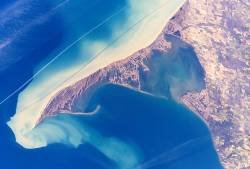
The Western Basin of Lake Erie is where these toxic algae proliferate most often. This area is the shallowest, warmest, and most exposed part of the lake, creating ideal conditions for cyanobacteria species such as Microcystis aeruginosa to grow. The blooms typically stretch from Maumee Bay near Toledo northward along Michigan’s shoreline to Stony Point, and eastward toward Sandusky Bay and Port Clinton in Ohio.
Source of the Pollution
The Maumee River serves as the main pathway for agricultural contaminants. Despite contributing only about 5% of the lake’s total water inflow, it delivers roughly half of all phosphorus entering the Western Basin. The watershed drains approximately 17,000 square kilometers (4.2–4.5 million acres) and is about 73–78% cultivated land. Two-thirds of this area focuses on corn and soybean production as major crops.
Components of the Runoff
Agricultural waste primarily consists of dissolved phosphorus and nitrogen from two sources:
- Commercial fertilizers – Pellets spread on fields that dissolve or wash away when applied during non-growing periods, especially during heavy spring rainfall.
- Animal manure – Large-scale Concentrated Animal Feeding Operations (CAFOs) containing millions of hogs, cattle, and birds produce abundant liquid manure that is applied to nearby croplands.
- Subsurface drainage – Historically drained wetland areas mean modern fields depend on underground drainage tiles. These pipes allow rain to bypass soil filtration and quickly transport soluble nutrients directly to Lake Erie via the river system.
The combination of intensive agriculture, manure application, and subsurface drainage systems creates a perfect recipe for nutrient pollution, fueling persistent and toxic algal blooms in Lake Erie’s Western Basin.
While the pollution is disturbing, it is agricultural pollution as opposed to industrial waste.
Lake Erie refreshes its water relatively quickly compared to other Great Lakes. The entire volume of water in the lake—about 116 cubic miles (or 480 cubic kilometers)—completely cycles through within an average of 2.6 years. This rapid turnover happens mainly because Lake Erie is both the smallest and shallowest of the Great Lakes, with an average depth of only about 62 feet (19 meters).
Water leaves the lake at a rate of approximately 200,000 cubic feet every second, flowing through the Niagara River at Buffalo. This combination of size and outflow means Lake Erie’s water moves through faster than any of its neighboring Great Lakes.
Health Hazards from Algae Exposure
Direct Contact with Water or Skin
Coming into contact with the water or algae can trigger allergic skin reactions and hives, cause discomfort in the eyes, and lead to a painful, irritated throat.
Swallowing Contaminated Water
Accidentally consuming water during a bloom exposes the body to toxins that can trigger vomiting, stomach cramps, severe gastrointestinal distress, nausea, and diarrhea. In more severe cases, these toxins damage the liver and can harm the nervous system.
Inhalation of Toxins
Activities on the water—such as boating or wakeboarding—can spray or mist toxins into the air. This inhaled air can cause irritated airways, persistent coughing, lightheadedness, and difficulty breathing. This breathing issue is sometimes nicknamed “August cough” because it tends to happen during summer months.
Danger for Pets
Dogs and other animals that drink from or swim in contaminated water are at especially high risk. These toxins can kill animals much more quickly than affecting humans, as they’re much smaller and drink more proportionally to their body weight.
Bottom Line
The safest approach is to stay out of the water, especially if warning signs and discolored blooms are visible, and keep pets away from any suspicious areas.
Planning a Trip – Harmful Algae Blooms on the Lake Erie Islands
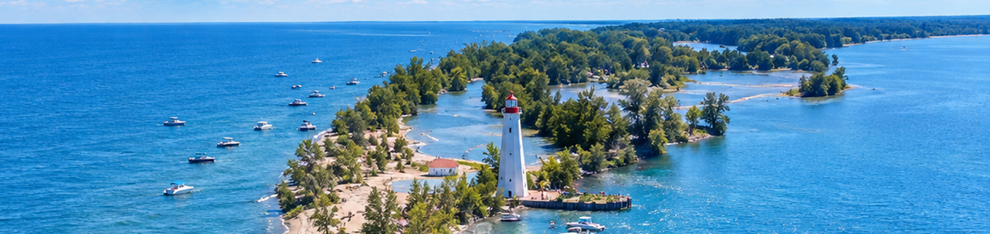
The Lake Erie Islands—including South Bass Island (Put-in-Bay), Kelleys Island, and Pelee Island—are regularly impacted by algal blooms across both the central and western sections of the lake. If going to the islands, plan your trip around the algae blooms.
Impact on the Islands
Floating Algae Scum – Strong winds often drive thick, paint-like patches of blue-green algae across the lake’s surface. These mats can settle on or bypass the islands, with additional blooms consistently forming and moving eastward along the chain of islands.
Tourism and Recreation – When heavy algae mats wash up on beaches or remain floating near islands, they interfere with popular water activities like swimming, paddleboarding, and boating. In addition, the decomposing algae releases unpleasant, earthy, or musty smells that degrade the overall experience for visitors.
Human and Pet Safety – The algae can produce toxins such as microcystin, which cause skin rashes, eye irritation, nausea, and digestive issues when water is swallowed. Pets are especially vulnerable since they often drink lake water during summer months or swim and then groom themselves afterward, absorbing toxins through their fur and paws.
Drinking Water Sources – Some islands and properties that draw drinking water directly from the lake without going through protected municipal treatment systems face significant challenges when algal blooms concentrate near shore.
These sources may need to implement emergency treatment protocols or shut off intake points during periods of heavy contamination.
Visitors should pay attention to local bloom advisories, avoid swimming in areas with thick scum or foul odors, and keep pets from swimming or drinking lake water during active bloom periods. Ultimately, plan your vacation around the blooms or go to eastern Lake Erie vacation spots.